Free wine tastings every Friday — come sip something wild
Natural wine. Minimal intervention. Maximum personality.
Free wine tastings every Friday — come sip something wild
Natural wine. Minimal intervention. Maximum personality.
Free wine tastings every Friday — come sip something wild
Natural wine. Minimal intervention. Maximum personality.
Free wine tastings every Friday — come sip something wild
Natural wine. Minimal intervention. Maximum personality.
The Juicebox Guide
What Is Natural Wine?
Natural wine is produced with minimal intervention — in the vineyard and in the cellar. The goal is simple: let the wine express its true character. The result is bottles with unique personalities and a real sense of place.
How Natural Wine Is Made
The grapes are grown using organic or biodynamic farming practices, and the winemaking process avoids unnecessary additives or manipulation. Fermentation happens with native yeasts, and there is little to no use of added sulfites, additives, or heavy filtration.
Organic Farming
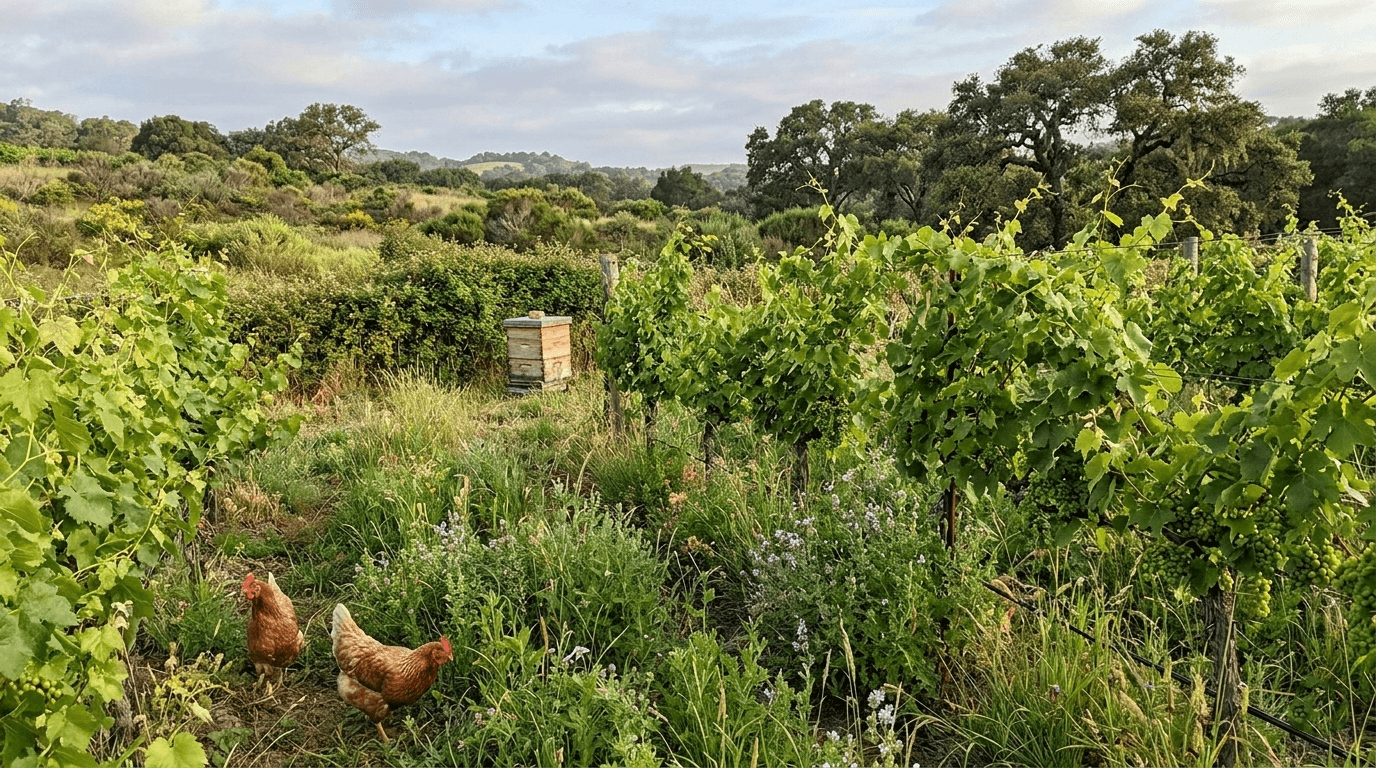
Organic farming avoids the use of artificial chemicals such as pesticides, herbicides, and synthetic fertilizers.
Instead, farmers often introduce insects, birds, and companion plants to act as natural pest control. Some vineyards also allow farm animals to graze among the vines, naturally fertilizing the soil while helping control weeds.
This approach helps maintain soil health, biodiversity, and a more balanced vineyard ecosystem.
Biodynamic Farming
Biodynamic farming takes organic practices a step further.
Popularized in the 1920s by Austrian philosopher Rudolf Steiner, biodynamics is a holistic approach that treats the vineyard as a living ecosystem. Biodynamic winemakers often follow the lunar calendar to determine optimal planting and harvesting times. They also use natural soil supplements known as preparations.
The goal is to create a balanced and healthy vineyard that promotes biodiversity and long-term sustainability.
Native Yeasts & Wild Fermentation
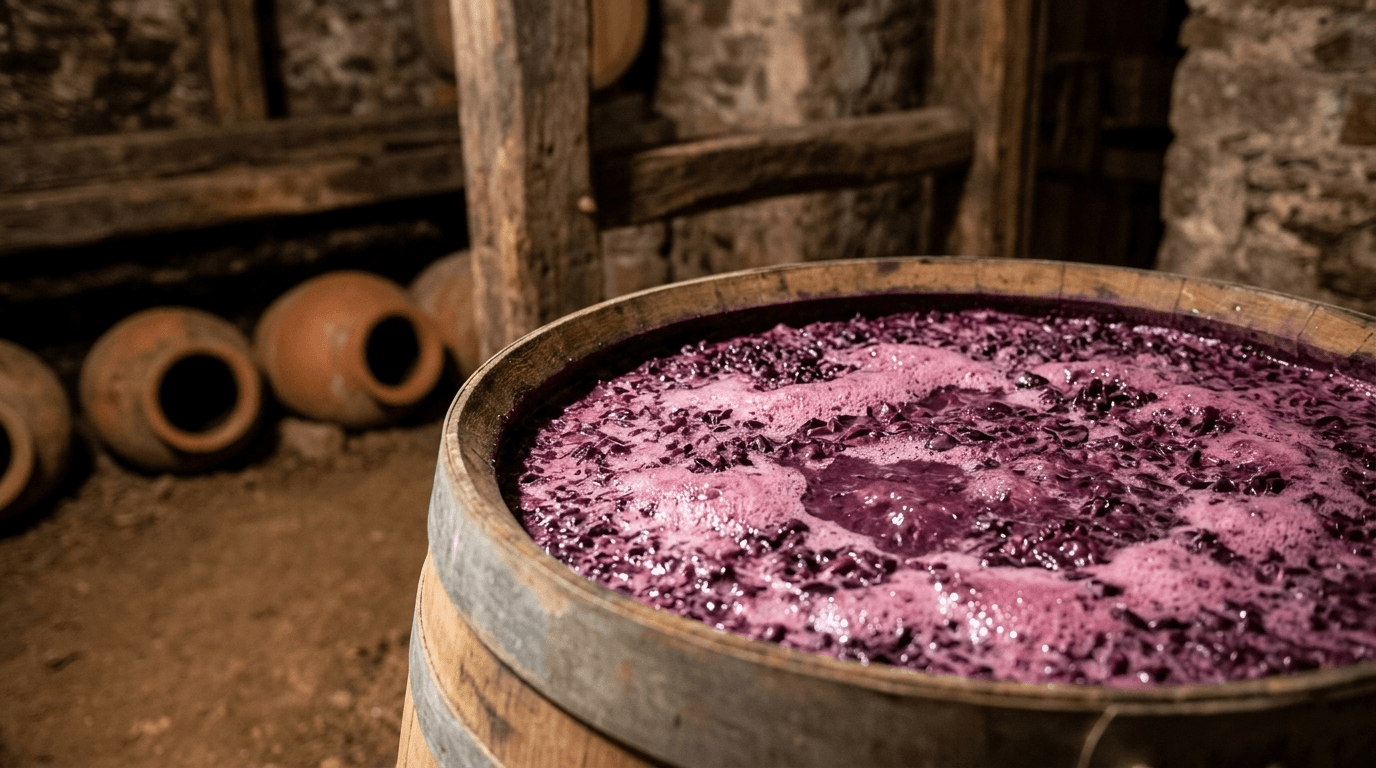
Instead of using commercially produced yeasts, natural winemakers rely on the wild yeasts that naturally occur on grape skins and in the vineyard to start fermentation.
Commercial yeasts offer predictability and consistency. Native yeasts, however, can introduce unique flavors and character that reflect the vineyard environment. This is one reason natural wines often taste more expressive and unique.
Sulfites in Natural Wine (SO₂)
Sulfites are a natural byproduct of fermentation. They are also sometimes used as a preservative to prevent spoilage and oxidation.
Most wines — even natural ones — contain sulfites. The key difference is whether the winemaker adds additional sulfites during production. Many natural winemakers use little to none, believing that excessive use can mask the wine's true identity.
A common myth is that natural wine means no hangover. Not exactly. Sulfur itself does not cause hangovers, but some people are sensitive to added sulfites, which can trigger headaches or congestion. Natural wines may feel lighter the next day because they often contain fewer additives, lower alcohol levels, and simpler ingredients — but moderation is always key.
"Natural wine uses minimal intervention and wild fermentation — every bottle can be slightly different. The result is wine that reflects the vineyard, the vintage, and the winemaker's approach."
Unfiltered & Unfined Wine
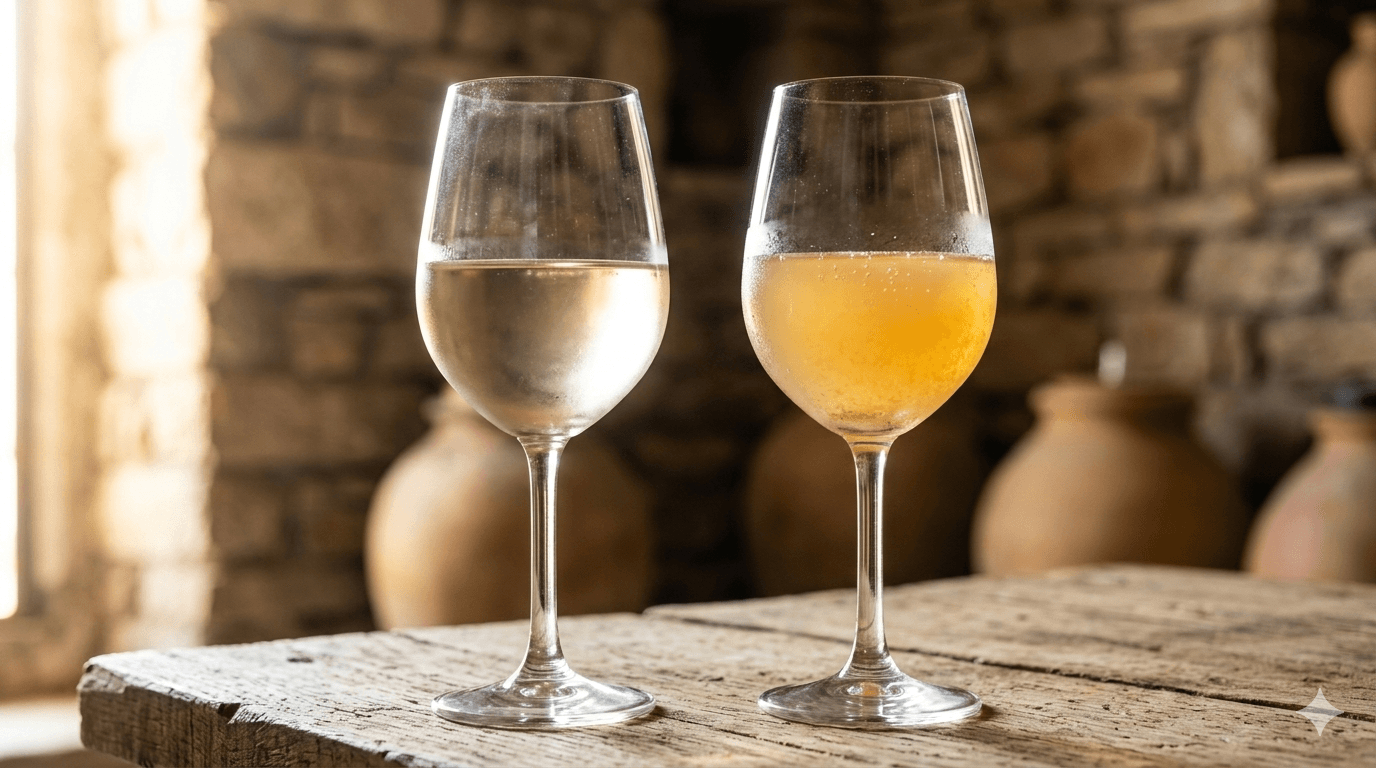
Many conventional wines are fined using agents such as egg whites, gelatin, or isinglass (a protein derived from fish bladders) to remove particles and clarify the wine. Wines are then filtered to stabilize them, adjust texture, or refine color and aroma.
Natural wines often skip these steps entirely. Instead, winemakers may rely on time and gravity to allow sediment to settle naturally. Some may also use minimal techniques such as racking or coarse filtration.
Why Natural Wine Tastes Different
Because natural wine uses minimal intervention and wild fermentation, every bottle can be slightly different. The result is wine that reflects the vineyard, the vintage, and the winemaker's approach.
Sometimes unpredictable — but always expressive, unique, and full of character.